Showing posts with label Architectural Theory. Show all posts

Tuesday, October 23, 2018

Monday, July 9, 2018

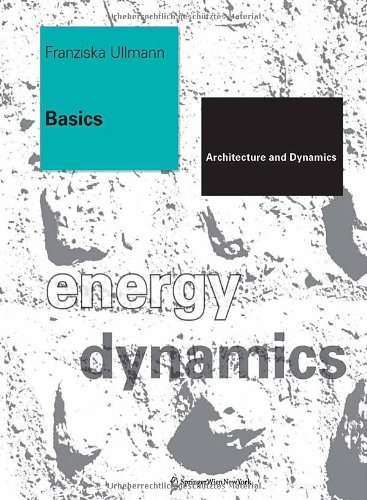
Basics : Architecture and Dynamics


Basics : Architecture and Dynamics
208 pages | PDF | 23,9 MB

What elements constitute space? 

What s a solitaire and what makes a solitaire a monument? 

Why is a building profane and what makes a space a sacred space? 

Why seem Zaha Hadid s buildings to be dynamic buildings? 

These and many other issues are addressed in "Basics". 

In a direct confrontation of text and pictures of international buildings, meaning and effect of basic architectural elements are studied both discretely and within compounds starting from Wassily Kandinsky s visual arts related analysis "Point and Line to Plane". 

Transferred on natural and artificial objects, the effect of these elements is not primarily based on the external appearance but rather on the tension inherent to forms. 

Thus, the 2nd edition of this standard book is now available in English. It has been revised and a foreword by architecture theorist Otto Kapfinger added.


Thursday, June 7, 2018

Writing Art and Architecture


Writing Art and Architecture
186 pages | PDF | 10,9 MB

In his new book, the eminent philosopher Andrew Benjamin turns his attention to architecture, design, sculpture, painting and writing. Drawing predominantly on a European tradition of modern philosophical criticism running from the German Romantics through Walter Benjamin and beyond, he offers a sequence of strong meditations on a diverse ensemble of works and themes: on the library and the house, on architectural theory, on Rachel Whiteread, Peter Eisenman, Anselm Kiefer, Peter Nielson, David Hawley, Terri Bird, Elizabeth Presa and others. 

In Benjamin's hands, criticism is bound up with judgment. Objects of criticism always become more than mere documents. These essays dissolve the prejudices that have determined our relation to aesthetic objects and to thought, releasing in their very care and attentiveness to the 'objects themselves' the unexpected potentialities such objects harbour. 

In his sensitivity to what he calls 'the particularity of material events', Benjamin's writing comes to exemplify new possibilities for the contemporary practice of criticism itself. These essays are a major contribution to critical thought about art and architecture today, and a genuine work of what Benjamin himself identifies as a 'materialist aesthetics'.
 
Download : Oboom / Mega

The Discipline of Architecture


The Discipline of Architecture

A polemical look at how architectural knowledge is produced, disseminated, and received.

In the vast literature on architectural theory and practice, the ways in which architectural knowledge is actually taught, debated, and understood are too often ignored. 

The essays collected in this groundbreaking volume address the current state of architecture as an academic and professional discipline.

 The issues considered range from the form and content of architectural education to the architect's social and environmental obligations and the emergence of a new generation of architects.

 Often critical of the current paradigm, these essays offer a provocative challenge to accepted assumptions about the production, dissemination, and reception of architectural knowledge.
 

The Poetics of Space


The Poetics of Space

A prism through which all worlds from literary creation to housework to aesthetics to carpentry take on enhanced-and enchanted-significances. Every reader of it will never see ordinary spaces in ordinary ways. Instead the reader will see with the soul of the eye, the glint of Gaston Bachelard. -from the foreword by John R. Stilgoe
 
Download : Oboom / Mega

The Alphabet and the Algorithm


The Alphabet and the Algorithm
(Writing Architecture)


Digital technologies have changed architecture--the way it is taught, practiced, managed, and regulated. But if the digital has created a "paradigm shift" for architecture, which paradigm is shifting? 

In The Alphabet and the Algorithm, Mario Carpo points to one key practice of modernity: the making of identical copies.

 Carpo highlights two examples of identicality crucial to the shaping of architectural modernity: in the fifteenth century, Leon Battista Alberti's invention of architectural design, according to which a building is an identical copy of the architect's design; and, in the nineteenth and twentieth centuries, the mass production of identical copies from mechanical master models, matrixes, imprints, or molds. 

The modern power of the identical, Carpo argues, came to an end with the rise of digital technologies. Everything digital is variable. In architecture, this means the end of notational limitations, of mechanical standardization, and of the Albertian, authorial way of building by design. 

Charting the rise and fall of the paradigm of identicality, Carpo compares new forms of postindustrial digital craftsmanship to hand-making and the cultures and technologies of variations that existed before the coming of machine-made, identical copies.

 Carpo reviews the unfolding of digitally based design and construction from the early 1990s to the present, and suggests a new agenda for architecture in an age of variable objects and of generic and participatory authorship.
 
Download : Oboom / Mega

terror and wonder : architecture in a tumultuous age


terror and wonder : architecture in a tumultuous age

For nearly twenty years now, Blair Kamin of the Chicago Tribune has explored how architecture captures our imagination and engages our deepest emotions. A winner of the Pulitzer Prize for criticism and writer of the widely read Cityscapes blog, Kamin treats his subjects not only as works of art but also as symbols of the cultural and political forces that inspire them. 

Terror and Wonder gathers the best of Kamin’s writings from the past decade along with new reflections on an era framed by the destruction of the World Trade Center and the opening of the world’s tallest skyscraper.

Assessing ordinary commercial structures as well as head-turning designs by some of the world’s leading architects, Kamin paints a sweeping but finely textured portrait of a tumultuous age torn between the conflicting mandates of architectural spectacle and sustainability.

 For Kamin, the story of our built environment over the past ten years is, in tangible ways, the story of the decade itself. Terror and Wonder considers how architecture has been central to the main events and crosscurrents in American life since 2001: the devastating and debilitating consequences of 9/11 and Hurricane Katrina; the real estate boom and bust; the use of over-the-top cultural designs as engines of civic renewal; new challenges in saving old buildings; the unlikely rise of energy-saving, green architecture; and growing concern over our nation’s crumbling infrastructure.
 
Download : Oboom / Mega

Rethinking Technology: A Reader in Architectural Theory


Rethinking Technology: A Reader in Architectural Theory
 488 pages | PDF | 3.1 MB

This essential reference for all students of architecture, design and the built environment provides a convenient single source for all the key texts in the recent literature on architecture and technology.

The book contains over fifty carefully selected essays, manifestoes, reflections and theories by architects and architectural writers from 1900 to 2004. 

This mapping out of a century of architectural technology reveals the discipline's long and close attention to the experience and effects of new technologies, and provides a broad picture of the shift from the 'age of tools' to the 'age of systems'.

Download : Oboom / Mega

Questions of Perception: Phenomenology of Architecture


Questions of Perception: Phenomenology of Architecture
 155 Pages | PDF | 49 MB

This new edition of Questions of Perception brings back into print one of the most important architectural theory treatise of recent years. 

Authored by noted architectural scholars Alberto Perez-Gomez and Juhani Pallasmaa as well as the preeminent architect Steven Holl, the three separate essays are thematically linked: each one tries to explain the role human perception and phenomenological experience play in architecture. 

In particular, Holl -- who was named by Time magazine as the most important architect of his generation and the designer of the much-lauded Chapel of St. Ignatius at Seattle University and the highly anticipated Nelson-Atkins Museum of Art addition -- lucidly explicates the importance of intuition in the construction and experience of built space. 

Holl explains his search for phenomenological experience thus: "To open architecture to questions of perception, we must suspend disbelief, disengage the rational half of the mind, and simply play and explore. Reason and skepticism must yield to a horizon of discovery."

Download : Oboom / Mega

Wednesday, June 6, 2018

Mechanics and Meaning in Architecture


Mechanics and Meaning in Architecture

An exploration of technology's role in architecture and, in turn, humanity's understanding of nature.

In Mechanics and Meaning in Architecture, Lance LaVine shows that in architecture, as practiced and taught today, the technological aspect of the profession-how weight is distributed, how heat flow is regulated, and how light is permitted to enter-has been ceded to engineers and other technical specialists. And in doing so, he argues, architects have lost sight of one of architecture's most important purposes, that of providing a literal and figurative window onto the world.

As a technology of habitation, architecture should provide people with both a practical and a metaphorical understanding of their relationship with nature. For LaVine, this knowledge emanates from a sensual understanding of the natural world as a "felt force." At its most basic level, architecture demands an understanding of and response to the natural forces of gravity, climate, and sunlight. At the center of Mechanics and Meaning in Architecture are case studies of four very different houses: a Finnish log farmhouse from the nineteenth century; Charles Moore's house in Arinda, California; Tadao Ando's Wall house in Japan; and Le Corbusier's Villa Savoye near Paris. Through his imaginative readings of structures, LaVine highlights how the architects involved have used the oldest and most fundamental architectural technologies-walls, floors, ceilings, columns, beams, and windows-in ways that offer creative responses to the natural world and humanity's place in it.

Clearly, architects are comfortable with the practical and aesthetic components of their profession. With this book, Lance LaVine encourages them also to understand what makes their use of technology unique and essential, and to reclaim the natural world for meaningful interpretation in their design of buildings. Lance LaVine is professor of architecture and landscape architecture at the University of Minnesota.
 

Immaterial Architecture


Immaterial Architecture

This fascinating argument from Jonathan Hill presents the case for the significance and importance of the immaterial in architecture.

Architecture is generally perceived as the solid, physical matter that it unarguably creates, but what of the spaces it creates? This issue drives Hill's explorative look at the immaterial aspects of architecture. The book discusses the pressures on architecture and the architectural profession to be respectively solid matter and solid practice and considers concepts that align architecture with the immaterial, such as the superiority of ideas over matter, command of drawing and design of spaces and surfaces.

Focusing on immaterial architecture as the perceived absence of matter, Hill devises new means to explore the creativity of both the user and the architect, advocating an architecture that fuses the immaterial and the material and considers its consequences, challenging preconceptions about architecture, its practice, purpose, matter and use.

This is a useful and innovative read that encourages architects and students to think beyond established theory and practice.
 
Download : Oboom / mega

Monday, June 4, 2018

Building Ideas: An Introduction to Architectural Theory


Building Ideas: 
An Introduction to Architectural Theory
242 pages | PDF | 10,8 MB

Building Ideas An Introduction to Architectural Theory This book is an essential text for students of architecture and related disciplines, satisfying the demand for an accessible introduction to the major theoretical debates in contemporary architecture. 

Written in a lucid and user-friendly style, the book also acts as a guide and companion volume to the many primary theoretical texts recently made available in reprinted collections. Whilst architectural monographs, collections of building precedents and polemical manifestoes are growing more and more numerous, Building Ideas is the first book to provide an introduction to such a broad range of issues in architectural theory. 

This text therefore serves to fill a widening gap between the everyday practice of architecture and the often bewildering field of academic theoretical debate. Beginning with a general introduction to the field of architectural theory, covering the interface between philosophy and technology in the production and interpretation of buildings, the book presents the major theoretical positions in contemporary architecture through a series of thematically structured chapters. Each chapter deals with a specific approach to the theory and criticism of architecture by presenting a series of related buildings as illustrations of a key theoretical position, as well as setting this position in a cultural and historical context. 

Under the five broad headings of 'Architecture as Engineering - The Technological Revolution', 'Architecture as Art - Aesthetics in Philosophy', 'The Return of the Body - Phenomenology in Architecture', 'Systems of Communication - Structuralism and Semiotics' and 'Politics and Architecture - The Marxist Tradition', the book presents a wide but critical survey of the central questions in the current theoretical debate. Providing the theoretical tools necessary for an understanding of the history of philosophies and technologies in architecture, this book is essential reading for undergraduate architectural theory courses as well as a first point of reference for anyone wishing to understand the complex connections between architecture and related fields of cultural enquiry.
 

Download : Oboom / Mega

Architectural Philosophy


Architectural Philosophy

Architectural Philosophy is the first book to outline a philosophical account of architecture and to establish the singularity of architectural practice and theory. This dazzling sequence of essays opens out the subject of architecture, touching on issues as wide ranging as the problem of memory and the dystopias of science fiction. 

Arguing for the indissolubility of form and function, Architectural Philosophy explores both the definition of the site and the possibility of alterity. The analysis of the nature of the present and the complex sructure of repetition allows for the possibility of judgement, a judgement that arises from a reworked politics of architecture.
 

Architectural Knowledge: The Idea of a Profession


Architectural Knowledge: 
The Idea of a Profession
 1998 | PDF | 240 pages | 2 mb

In this collection of interrogatory essays, Francis Duffy argues that the success of the architectural profession in post-war Britain is directly related to its stewardship of the intellectual property that he calls "architectural knowledge." The backdrop to this debate is the author's term of presidency of the RIBA between 1993 and 1995.

Wednesday, April 11, 2018

Architectural Theory - An Anthology from Vitruvius to 1870


Architectural Theory - An Anthology from Vitruvius to 1870


Architectural Theory: Vitruvius to 1870 is a landmark anthology that surveys the development of the field of architecture from its earliest days to the year 1870. The first truly comprehensive anthology that brings together the classic essays in the field, the volume chronicles the major developments and trends in architecture from Vitruvius to Gottfried Semper. 


Friday, November 4, 2016

Writing Art and Architecture


Writing Art and Architecture
Andrew Benjamin, 
2010 |  | 186 pages | PDF | 10,9 MB

In his new book, the eminent philosopher Andrew Benjamin turns his attention to architecture, design, sculpture, painting and writing. Drawing predominantly on a European tradition of modern philosophical criticism running from the German Romantics through Walter Benjamin and beyond, he offers a sequence of strong meditations on a diverse ensemble of works and themes: on the library and the house, on architectural theory, on Rachel Whiteread, Peter Eisenman, Anselm Kiefer, Peter Nielson, David Hawley, Terri Bird, Elizabeth Presa and others. In Benjamin's hands, criticism is bound up with judgment. Objects of criticism always become more than mere documents. These essays dissolve the prejudices that have determined our relation to aesthetic objects and to thought, releasing in their very care and attentiveness to the 'objects themselves' the unexpected potentialities such objects harbour. In his sensitivity to what he calls 'the particularity of material events', Benjamin's writing comes to exemplify new possibilities for the contemporary practice of criticism itself. These essays are a major contribution to critical thought about art and architecture today, and a genuine work of what Benjamin himself identifies as a 'materialist aesthetics'.


Thursday, June 30, 2016